
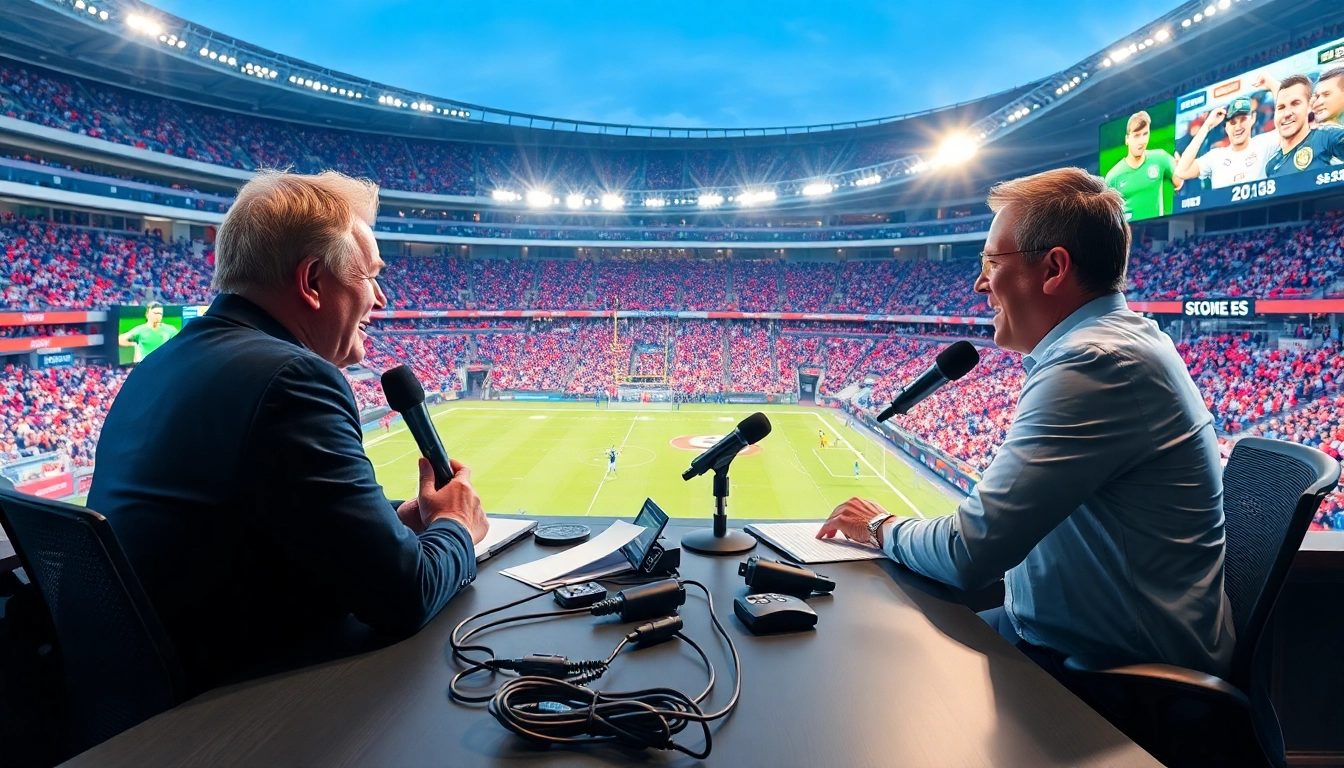
Understanding Sports Broadcasting
What is Sports Broadcasting?
Sports Broadcasting refers to the transmission of live or recorded sporting events via various media channels including television, radio, and online platforms. This form of media not only relays the events but also provides commentary, analysis, and insights that enrich the viewer's experience. The integration of storytelling, statistics, and expert commentary helps engage audiences, thereby enhancing the overall sports experience.
The Evolution of Sports Broadcasting
The journey of Sports Broadcasting has transformed dramatically since its inception. Initially, radio became the first medium to broadcast sports events in the early 20th century, offering live coverage of significant events. The advent of television in the mid-20th century revolutionized the industry, leading to the broadcasting of major events in stunning visual clarity. With the introduction of cable and satellite channels, audiences were granted access to numerous sports events all around the world.
The digital age has ushered in an incredible evolution where Sports Broadcasting can be accessed on-demand. Live streaming services and platforms like social media now allow for instant coverage and engagement, making it possible for fans to watch games in real-time, regardless of location. This shift has not only transformed how viewers consume sports but has also created new opportunities for networks and content creators.
Key Roles in Sports Broadcasting
Understanding the various roles within Sports Broadcasting is key to appreciating its complexity. Key players include:
- Play-by-Play Announcer: This individual provides a live account of the action as it unfolds, ensuring viewers stay informed about the current state of the game.
- Color Commentator: Typically a former athlete or expert, this person offers analysis, insights, and context surrounding the game, enriching the viewers' understanding.
- Producers: They oversee the technical aspects, ensuring that broadcasts run smoothly while managing content and coordinating the production staff.
- Directors: Responsible for visual storytelling, directors determine what the audience sees, switching between camera feeds and ensuring optimal framing and coverage.
- Sportscasters: They present pre-game and post-game shows, providing additional context, interviews, and analysis.
Technologies Influencing Sports Broadcasting
Broadcasting Equipment Essentials
To deliver high-quality Sports Broadcasting, a range of equipment is essential. This includes:
- Cameras: High-definition cameras capture every moment of the game, from close-ups of athlete expressions to broad-field shots of play dynamics.
- Microphones: Clear audio is vital; lapel mics for interviews and shotgun mics for capturing ambient sounds play significant roles.
- Switching Equipment: This allows directors to transition smoothly between different feeds, cameras, and graphics.
- Broadcasting Software: Programs like production suites assist in graphics, editing, and overall management of the broadcast.
Live Streaming and Online Platforms
The rise of live streaming has dramatically changed the Sports Broadcasting landscape. Platforms like YouTube, Twitch, and specific sports apps allow fans to watch events live, providing unprecedented access. Viewers can interact via chats, engage with polls, and share their thoughts instantly, thus creating a more engaging and participatory experience. Many networks also offer dual-screen experiences where fans can watch events while accessing additional commentary or behind-the-scenes content.
The Role of Social Media in Sports Broadcasting
Social media platforms play a crucial role in promoting and extending the reach of Sports Broadcasting. They serve as an avenue for instant updates, highlights, and fan engagement. Content shared via Twitter, Instagram, or Facebook not only fosters community interaction but also drives viewer traffic to official broadcasts. Furthermore, networks commonly use social media for real-time feedback and engagement, allowing fans to interact directly with commentators and analysts.
Preparing for a Sports Broadcast
Research and Script Development
Preparation is paramount for any sports broadcaster. Comprehensive research is necessary to understand the teams, player statistics, historical context, and recent performances. Scripts help guide the broadcast flow, ensuring announcers cover crucial points while maintaining spontaneity. It is essential to balance scripted elements with room for dynamic commentary that reacts to unfolding events.
Setting Up the Broadcast Environment
Creating an optimal broadcast environment involves more than just technical setup. The physical space must be adequately equipped and soundproofed to avoid interference. Comfortable seating and visibility for all staff are also crucial to facilitate performance. Technological checks—ensuring stable internet connections and equipment functionality—must precede any live broadcast.
Gathering Audience Insights
Understanding the audience is vital for effective Sports Broadcasting. This can be achieved by analyzing demographics, preferences, and feedback from previous broadcasts. Surveys and social media interactions provide valuable insights that inform broadcast decisions, including highlight priorities and commentary angles. Engaging viewers by catering to their interests establishes a loyal audience base.
Best Practices for Engaging Sports Broadcasting
Effective Commentary Techniques
For successful Sports Broadcasting, effective commentary techniques are vital. Clarity, pacing, and enthusiasm significantly contribute to engaging commentary. Broadcasters should aim to articulate their points clearly, varying their vocal inflections to maintain interest. Adding anecdotes, player backstories, and unique insights enhances relatability and captures the audience’s attention.
Maintaining Audience Engagement
Keeping an audience engaged during broadcasts requires a multifaceted approach. Varying commentary styles, inviting guest analysts, and incorporating viewer polls or comments can generate interactivity. Utilizing visual aids like infographics enhances understanding while maintaining the audience's focus. The key is to balance information richness without overwhelming viewers.
Leveraging Storytelling in Sports
Storytelling in Sports Broadcasting creates emotional connections that resonate with viewers. Broadcasters should weave narratives that highlight rivalries, underdog tales, or player journeys, providing context that defines the significance of the game. This humanizes the sport, allowing fans to invest emotionally in the outcome. Effective storytelling can elevate a sports event from mere performance to a memorable experience.
Analyzing Performance in Sports Broadcasting
Measuring Audience Reach and Engagement
Post-broadcast analysis is essential to understand reach and engagement levels. Metrics such as viewer ratings, social media interactions, and demographic insights allow broadcasters to gauge their performance. Tools like Google Analytics can track online engagement, providing actionable insights for future broadcasts. The aim should be continuous improvement based on data-driven feedback.
Feedback and Continuous Improvement
Continuous improvement in sports broadcasting stems from soliciting and integrating feedback. Broadcast teams should employ surveys and feedback platforms to gather viewer thoughts on various aspects—content quality, delivery, and technical reliability. Analyzing this feedback allows teams to evolve and adapt to viewer needs, refining their delivery with every broadcast.
The Future of Sports Broadcasting Metrics
As technology progresses, the metrics used to evaluate sports broadcasting will also evolve. New metrics may focus on direct audience interaction, viewer retention rates during specific segments, or engagement across multiple platforms. Emerging technologies such as AI and machine learning may help in developing predictive models for audience preferences, thus tailoring broadcasts to align with viewer interests further.
FAQs
1. What is Sports Broadcasting? Sports Broadcasting involves the live or recorded transmission of sporting events via television, radio, or online platforms, delivering insights and commentary for viewers.
2. How has technology changed Sports Broadcasting? Technological advancements have improved the quality of broadcasts with HD visuals, instant replays, and dedicated online streaming platforms, enhancing the viewer experience.
3. What equipment is necessary for Sports Broadcasting? Essential equipment includes high-definition cameras, microphones, production software, and various broadcasting tools to deliver high-quality content.
4. How can I improve my Sports Broadcasting skills? Enhancing skills can be achieved through practice, analyzing successful broadcasts, and actively seeking feedback from audiences and peers.
5. What are the key metrics in Sports Broadcasting? Key metrics encompass viewer ratings, social media engagement, audience feedback, and reach analytics, which provide essential data for evaluating performance.