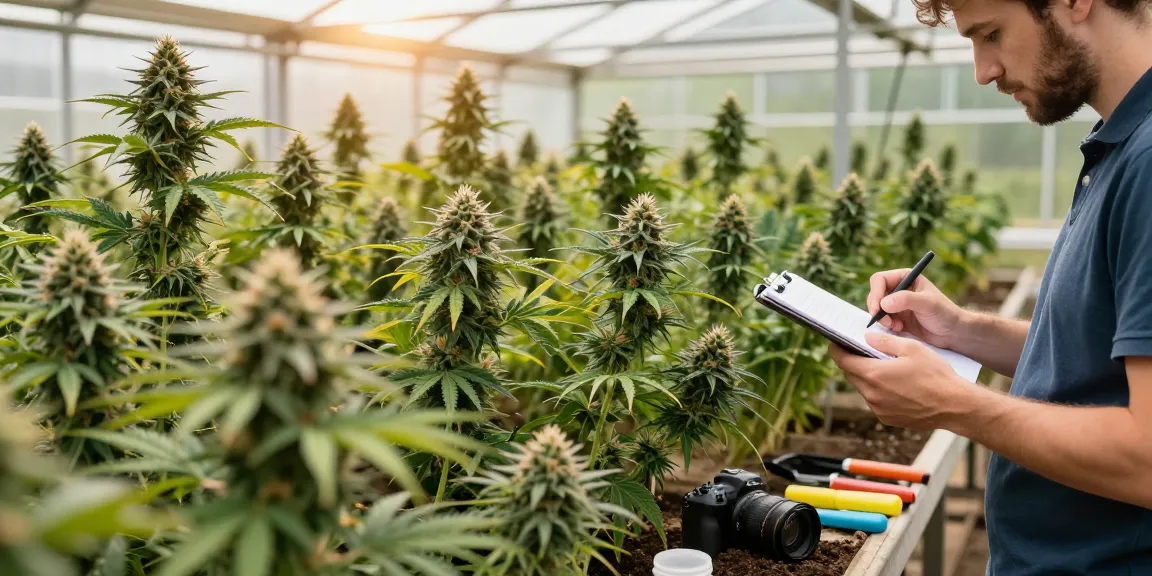
Understanding the Health Benefits of CBD
As interest in natural wellness solutions continues to grow, cannabidiol (CBD) has emerged as a leading player in the realm of alternative therapies. With its wide-ranging application and potential therapeutic benefits, CBD offers a promising avenue for those seeking natural relief and wellness enhancement. The science surrounding CBD's effects on the body reveals a complex interaction with the endocannabinoid system (ECS) that may influence various physiological processes. From anxiety reduction to improved sleep quality, the potential health benefits of CBD are capturing the attention of wellness enthusiasts everywhere. If you’re seeking a reliable source for such products, exploring the best weed delivery service can lead to quality options tailored to your needs.
What is CBD and its Therapeutic Applications?
CBD is a naturally occurring compound found in the hemp plant, specifically derived from the Cannabis sativa species. Unlike its more famous counterpart, tetrahydrocannabinol (THC), CBD is non-psychoactive, meaning it does not produce the "high" commonly associated with cannabis use. Its therapeutic applications are broad and varied, supported by an increasing body of research. Several studies suggest that CBD can effectively manage conditions such as anxiety, chronic pain, and inflammation, making it a valuable component in holistic health approaches.
Exploring the Science: How CBD Affects the Body
The ECS plays a crucial role in maintaining homeostasis within the body, affecting functions including mood, sleep, appetite, and immune response. CBD interacts with this system by binding to receptors, particularly CB1 and CB2 receptors, which are distributed throughout the brain and immune system. This interaction helps modulate neurotransmitter release, leading to various physiological and psychological effects. Understanding this mechanism enables users to appreciate how CBD may benefit conditions like anxiety, where its anxiolytic properties come into play.
Health Benefits: Proven Effects of CBD Use
Research published in credible scientific journals highlights CBD's potential benefits:
- Anxiety and Stress Management: CBD has shown promise in reducing anxiety symptoms in both human trials and animal studies.
- Pain Relief: Its anti-inflammatory properties may help alleviate pain from conditions such as arthritis and multiple sclerosis.
- Sleep Quality Improvement: Many users report enhanced sleep patterns, likely due to CBD’s calming effects.
- Focus and Mental Clarity: Some studies suggest CBD may improve cognitive function and concentration.
- Post-Workout Recovery: Athletes are increasingly using CBD for its potential to reduce muscle soreness and inflammation.
Types of Cannabis Products: A Comprehensive Overview
Understanding the various forms of cannabis products available is essential for consumers looking to maximize their wellness experience. Each product type offers distinct benefits and modes of consumption, catering to individual preferences and lifestyle needs.
Different Forms: Oils, Edibles, Vapes, and Topicals
Cannabis products can be categorized based on their form, including:
- Oils and Tinctures: These liquid extracts are taken sublingually for rapid absorption into the bloodstream. Dosing can be adjusted easily for personalized needs.
- Edibles: Incorporating CBD into foods (like gummies or beverages) provides a discreet and tasty option. However, they take longer to take effect due to metabolic processing.
- Vape Products: Vaping offers quick onset times, making it preferred for immediate relief. Options include cartridges, disposable vapes, and refillable systems.
- Topicals: CBD-infused creams and balms are applied directly to the skin for localized relief, effective for conditions like muscle pain or skin issues.
Choosing the Right Delivery Method for You
Selection of the appropriate product form largely depends on individual needs and lifestyle. Users often consider factors such as the desired onset time, dosage accuracy, and convenience when choosing a method. For instance, individuals seeking quick relief may prefer vaping, whereas those looking for sustained effects may opt for edibles or tinctures.
Understanding Cannabinoid Profiles: CBD vs. THC
Beyond CBD, understanding the broader spectrum of cannabinoids is critical. THC, while widely known for its psychoactive effects, also offers therapeutic benefits. The primary distinctions lie in their effects; CBD does not induce euphoria or intoxication, making it suitable for a wider audience. Users should also consider formulations that include full-spectrum (containing both cannabinoids), broad-spectrum (containing multiple cannabinoids except THC), and CBD isolate (pure CBD), each offering unique properties based on the entourage effect.
Dosage Guidelines for Safe and Effective Use
Determining the correct dosage is pivotal for achieving optimal results with CBD. As individuals react differently, starting low and gradually increasing the dose can help tailor the experience safely and effectively.
Calculating Your Ideal CBD Dosage
Most recommendations suggest a starting dosage of 5-10 mg of CBD per day, with the potential for adjustments based on individual weight, metabolism, and the condition being treated. Keeping a journal to track effects can aid in dosage determination.
Titration: How to Adjust Your Intake Over Time
Titration encompasses the methodical adjustment of dosage. Users should adjust their intake every few days based on their personal response until the desired effects are reached.
Understanding Bioavailability and Absorption Rates
Each delivery method possesses a unique bioavailability rate, or the proportion of the substance that enters circulation. For instance, vaping has a high bioavailability of approximately 50-80%, while edibles may have rates around 10-20%. Understanding these rates can influence a user's choice of product.
Quality Standards and Safety Guidelines
With the rise of interest in CBD products, understanding quality standards is essential for ensuring safety and efficacy. Consumers must be vigilant when choosing products to avoid subpar or unsafe options.
Importance of Third-Party Testing and COAs
Independent lab testing provides unbiased verification of a product's contents, ensuring that labeled cannabinoid concentrations are accurate and that harmful contaminants are absent. Checking for a Certificate of Analysis (COA) from third-party labs should be a standard practice for all consumers.
How to Identify Quality Products in the Market
Quality indicators include transparency in sourcing and processing, as well as adherence to Good Manufacturing Practices (GMP). Reputable brands often provide easy access to lab results and product information.
Legal Status and Regulatory Compliance for 2026
As of 2026, CBD derived from hemp is federally legal in the United States under the Farm Bill, provided levels of THC do not exceed 0.3%. However, state regulations may vary, so consumers should research local laws before purchasing products.
Your CBD Journey: Best Practices for Usage and Storage
Optimal storage and usage practices are vital for maintaining the integrity of CBD products and maximizing their benefits.
Storing CBD Products for Maximum Shelf Life
To preserve potency, CBD products should ideally be stored in a cool, dark place, away from humidity and direct sunlight. Properly sealed containers can protect from oxidation and degradation over time.
Potential Drug Interactions and Safety Precautions
It’s critical for users to consult with healthcare professionals before integrating CBD into their routine, especially for those on medications, as CBD can interact with certain drugs, such as blood thinners and anti-seizure medications.
Overcoming Challenges: Dose Adjustment and Effects
Finding the right dose can involve trial and error. Users are encouraged to observe their body's responses and remain patient, adjusting dosages responsibly to find their optimal range.
What should I know about CBD and its legal status?
CBD's legal standing is clear federally, yet state-specific regulations may impose additional restrictions. Staying informed on these distinctions is important for compliant usage.
How do I choose the right CBD product for my needs?
Selecting the right product involves understanding individual health goals, delivery methods, and cannabinoid profiles to match personal preferences effectively.
What are the side effects of using CBD products?
While many users experience minimal side effects, potential issues can include drowsiness, dry mouth, and gastrointestinal disturbances. It’s advisable to monitor any adverse effects closely and consult a healthcare provider if concerns arise.
How often should I take CBD for optimal benefits?
Frequency of use may differ based on the specific product and desired effects. Many find success with daily intake, while others may utilize CBD only as needed.
Where can I find trustworthy CBD brands?
Choosing reputable brands involves looking for third-party testing, transparency about sourcing, and positive consumer reviews. For more information, online dispensary delivery offers valuable insights. Avoiding companies that lack proof of quality checks is advisable.