
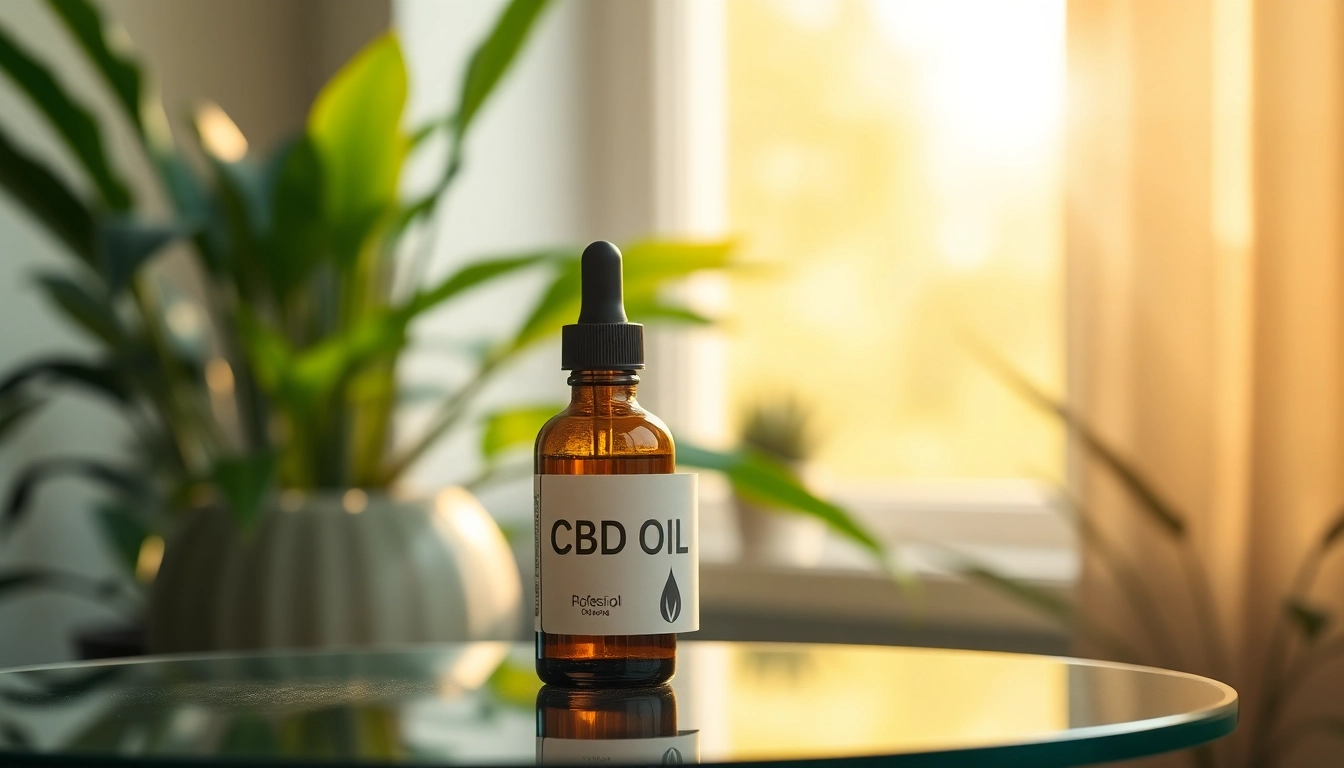
The world of natural remedies is continuously expanding, and among the most remarkable discoveries in recent years is CBD Oil. Derived from the cannabis plant, this compound is captivating millions with its potential health benefits. This comprehensive guide aims to demystify CBD Oil, exploring its definition, how it operates within the body, its health advantages, quality selection criteria, and effective usage practices. For anyone interested in harnessing the power of CBD Oil, understanding these elements is essential.
Understanding CBD Oil: What You Need to Know
1. Definition of CBD Oil
CBD Oil, or cannabidiol, is a naturally occurring compound found in the cannabis plant. Unlike THC (tetrahydrocannabinol), another well-known cannabinoid, CBD does not produce psychoactive effects, meaning users do not experience the "high" often associated with cannabis. As a non-intoxicating extract, CBD Oil has garnered significant interest for its potential therapeutic properties from pain relief to anxiety reduction and more.
2. How CBD Oil Works in the Body
To understand how CBD Oil functions, it’s crucial to know about the endocannabinoid system (ECS), a complex network of receptors located throughout the body. The ECS plays a vital role in regulating various physiological processes, including mood, pain perception, stress responses, and immune function. CBD interacts with the ECS in several ways, primarily by modulating the activity of receptors such as CB1 and CB2, leading to various beneficial effects. Research suggests that CBD may enhance the natural production of endocannabinoids, further supporting overall health and wellness.
3. Common Misconceptions About CBD Oil
Despite its growing popularity, misconceptions about CBD Oil persist. One prevalent myth is that all cannabis products create a high; however, CBD Oil derived from hemp contains minimal THC, usually less than 0.3%. Another misconception is that CBD is a cure-all for ailments. While CBD exhibits promising potential, ongoing research is necessary to confirm its effectiveness for various health problems. It’s also critical for consumers to approach CBD products with knowledge and discernment, focusing on reputable sources and transparent labeling.
Health Benefits of CBD Oil
1. Relief from Chronic Pain and Inflammation
Chronic pain impacts millions of people globally, with conditions like arthritis and fibromyalgia commonly affecting daily life. CBD Oil has gained traction as a potential remedy due to its reported anti-inflammatory and analgesic properties. In numerous studies, CBD has shown promise in reducing pain signals, leading to significant relief for individuals suffering from various conditions. Moreover, patients have reported better functionality and a lower reliance on conventional pain medications when utilizing CBD Oil as part of their pain management strategy.
2. Reducing Anxiety and Stress Levels
Anxiety disorders are among the most common mental health issues, affecting millions around the globe. Evidence indicates that CBD may offer a natural solution, as it appears to interact with serotonin receptors in the brain, influencing mood and stress responses. Clinical studies suggest that CBD can reduce anxiety in both human and animal subjects, highlighting its potential as an effective treatment for generalized anxiety disorder, social anxiety disorder, and post-traumatic stress disorder. Users often report improved feelings of calmness and a reduction in anxiety symptoms upon regular consumption of CBD Oil.
3. Potential Neuroprotective Properties of CBD Oil
Research has shown that CBD Oil may possess neuroprotective properties, demonstrating potential benefits for individuals with neurodegenerative diseases. In conditions like multiple sclerosis and Alzheimer's disease, CBD may aid in reducing inflammation, oxidative stress, and neuroinflammation—factors that contribute to disease progression. Preliminary studies highlight CBD Oil's promise in supporting cognitive function and protecting against the deleterious effects of neurodegenerative conditions. Future research will help clarify the full extent of these neuroprotective benefits.
How to Choose Quality CBD Oil
1. Understanding Hemp Source and Extraction Methods
The quality of CBD Oil largely depends on the source of hemp used and the extraction methods employed. Look for products sourced from organic, non-GMO hemp cultivated without harmful pesticides or fertilizers. Supercritical CO2 extraction is regarded as the best method for producing high-quality CBD Oil. This technique preserves cannabinoids and terpenes while removing impurities, ensuring the oil's purity and potency.
2. Importance of Third-Party Lab Testing
To ensure the safety and efficacy of CBD Oil, independent third-party lab testing is critical. Reputable brands provide lab results that confirm the presence and concentration of cannabinoids in the product, as well as the absence of pesticides, heavy metals, and other contaminants. Consumers should seek out products with accessible lab reports from certified laboratories to verify quality and consistency.
3. Identifying Labels and Ingredients
When selecting CBD Oil, pay attention to product labels and ingredient lists. Opt for full-spectrum or broad-spectrum CBD oils as they offer additional benefits through the entourage effect, where numerous compounds in the hemp plant work synergistically. Avoid products with excessive additives or artificial ingredients that could dilute the beneficial properties of the CBD. Clear labeling allows consumers to make informed choices regarding potency, usage recommendations, and third-party testing.
Best Practices for Using CBD Oil
1. Determining the Right Dosage
Finding the appropriate dosage of CBD Oil can vary widely among individuals, depending on factors like body weight, metabolism, and the specific condition being addressed. It is advisable to start with a low dose and gradually increase it until the desired effects are achieved. Many brands provide dosage guidelines based on weight, but personal adjustments may be necessary. Consulting with a healthcare professional familiar with CBD can also provide personalized recommendations.
2. Different Methods of Consumption
CBD Oil can be consumed in several ways, each influencing the onset and intensity of effects. Some popular methods include sublingual administration, where the oil is placed under the tongue for quick absorption; capsule ingestion for convenient dosing; and topical applications for localized relief. Experimenting with different methods can help users determine the best fit for their lifestyles and health needs.
3. Monitoring Effects and Adjusting Usage
To ensure optimal results, users should closely monitor their experiences with CBD Oil. Keeping a journal to track dosage, time of consumption, and effects can provide valuable insights into what works best. If adverse effects or minimal benefits occur, adjusting the dosage or testing different strains and extraction methods may be necessary. Patience and persistence are key, as the benefits of CBD may take time to manifest.
Legal and Regulatory Considerations for CBD Oil
1. Federal vs State Regulations
The legal landscape surrounding CBD Oil is complex and varies widely between countries and states. In many parts of the United States, federally legal CBD is derived from hemp with less than 0.3% THC content. However, individual states may impose their regulations regarding CBD Oil sales and usage. Consumers should stay informed about the laws in their locality to ensure compliance and avoid potential issues related to possession or use.
2. Understanding Product Labeling Laws
Product labeling laws for CBD Oil are evolving, aimed at ensuring transparency and consumer safety. Companies must adhere to strict labeling requirements that disclose the concentration of CBD, ingredients, serving size, and source of hemp. Understanding these regulations empowers consumers to make informed choices and recognize reputable brands committed to ethical practices.
3. Future of CBD Oil Legislation
The future of CBD Oil legislation looks promising, with increased interest from policymakers to regulate the market effectively. Anticipated changes include clearer regulations regarding product safety, quality control, and advertising claims. As research continues to unveil the benefits and mechanisms of CBD, it is likely that public perception and legislative support for CBD Oil will grow, paving the way for expanded access and use in various therapeutic contexts.