
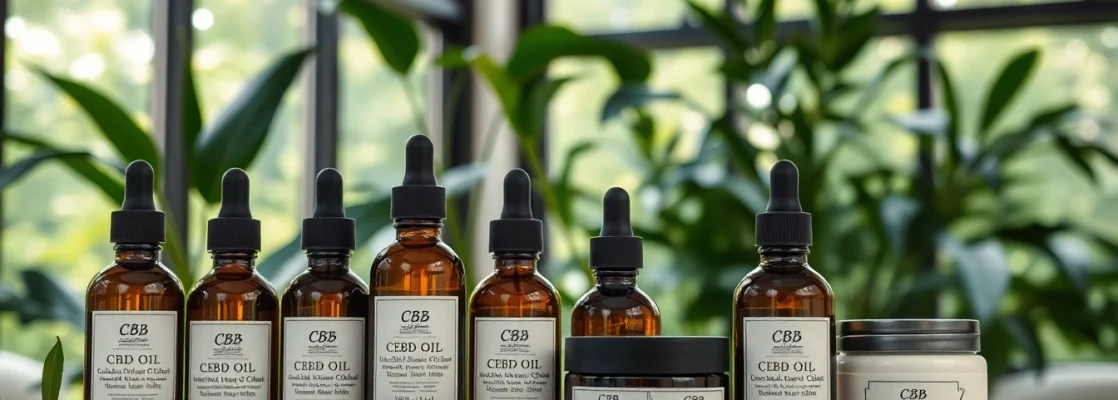
Understanding CBD Oil for Skin
The popularity of CBD oil has recently surged, largely due to its potential health benefits, especially in skincare. Among various applications, using CBD oil for skin has become a focal point for many individuals seeking natural remedies for various skin conditions. This article explores CBD oil’s mechanisms, its interaction with the skin, and the vast array of benefits it offers.
What is CBD Oil and How Does it Work?
Cannabidiol (CBD) is one of the many compounds found in the cannabis plant. Unlike its famous counterpart, THC (tetrahydrocannabinol), CBD does not possess psychoactive properties. This means that CBD oil can provide therapeutic benefits without causing a “high.” The oil is extracted from the flowers, leaves, and stalks of hemp plants and is known for its versatility in applications—from managing anxiety to enhancing skin health.
CBD oil works by interacting with the body’s endocannabinoid system (ECS), which plays a crucial role in regulating various physiological processes. The ECS is composed of cannabinoid receptors (CB1 and CB2), endocannabinoids, and enzymes. When applied topically, CBD binds to these receptors in the skin, helping to maintain homeostasis.
The Skin’s Endocannabinoid System Explained
The skin itself has its own endocannabinoid system, which regulates several functions, including skin barrier function, immune responses, and overall skin health. By using CBD oil, you may bolster the skin’s natural functions, potentially leading to improved hydration, reduced inflammation, and enhanced healing capabilities. Understanding how CBD engages with the skin’s ECS can illuminate its effectiveness in skincare applications and why it has garnered attention in dermatology.
Main Benefits of CBD Oil for Skin
The benefits of CBD oil for skin are extensive, encompassing various skin issues. Some primary benefits include:
- Anti-inflammatory Properties: CBD has been shown to reduce inflammation, making it ideal for skin conditions like acne and eczema.
- Hydration: The oil can improve skin hydration levels, helping to combat dryness and irritation.
- Anti-aging Effects: With antioxidant properties, CBD oil can help mitigate the effects of aging by fighting oxidative stress.
- Acne Treatment: CBD can regulate sebum production and possess antibacterial qualities, contributing to acne reduction.
Potential Skin Benefits of CBD Oil
CBD Oil’s Anti-Inflammatory Properties
One of the most prominent benefits of CBD oil lies in its anti-inflammatory effects. Chronic inflammation is a significant contributor to many skin diseases, including psoriasis, eczema, and acne. Research suggests that CBD oil can decrease the production of cytokines, which are proteins that can trigger inflammation. This makes CBD oil beneficial not just for existing inflammatory conditions but also as a preventive measure.
Usage for Acne and Eczema
With the rising prevalence of acne and eczema, many are turning to CBD oil as a natural alternative treatment. Studies indicate that CBD oil’s ability to modulate oil production by sebaceous glands can help reduce acne outbreaks. By minimizing excess sebum and combating inflammation, it presents a dual approach to treating acne.
For individuals suffering from eczema, CBD oil might alleviate the redness, itching, and discomfort associated with flare-ups. Regular application may enhance skin hydration and improve overall skin barrier function, resulting in fewer triggers for eczema-related symptoms.
Hydration and Anti-Aging Effects
CBD oil has been hailed for its hydrating properties. It is packed with essential fatty acids, like omega-3 and omega-6, which help maintain skin health and hydration. These fatty acids reinforce the skin barrier, preventing moisture loss and keeping the skin supple.
Moreover, as an antioxidant, CBD oil can combat oxidative stress caused by environmental factors such as UV radiation and pollution. This helps stave off signs of aging, including fine lines and uneven skin tone. When incorporated into skincare regimens, CBD oil thus stands out as an exceptional anti-aging agent.
Choosing the Right CBD Oil for Skin
Labels and Ingredients to Look For
When selecting a CBD oil for skin use, careful attention must be paid to product labels. High-quality CBD oil should be free from harmful additives and made from organic hemp. Ingredients to look for include:
- Pure CBD Extract: Look for products that clearly state the concentration of CBD per serving.
- Carrier Oils: Ingredients like coconut oil, jojoba oil, or almond oil can enhance absorption and provide additional benefits.
- Natural preservatives: Avoid products with synthetic chemicals or non-natural preservatives that could irritate the skin.
Full-Spectrum vs. Isolate CBD Oil
Another important distinction lies between full-spectrum CBD oil and CBD isolate. Full-spectrum CBD contains a range of cannabinoids and terpenes, which may enhance the effects of CBD through the “entourage effect.” On the other hand, CBD isolate provides pure CBD without other compounds. Both types can be effective; however, full-spectrum options are often preferred for their holistic benefits.
Certifications and Lab Testing
Reputable brands should provide third-party lab results to verify the purity and potency of their products. Look for COA (Certificate of Analysis), which confirms that the oil has been tested for cannabinoids, pesticides, and contaminants. This assurance helps in making informed decisions about the product’s quality and safety.
Application Techniques for CBD Oil on Skin
Best Practices for Topical Application
Applying CBD oil correctly can maximize its benefits for the skin. Here are some best practices:
- Patch Test: Before applying it extensively, conduct a patch test to ensure you don’t have an allergic reaction.
- Cleansing: Cleanse your skin thoroughly to allow for better absorption. Apply CBD oil to damp skin for enhanced hydration.
- Massage: Gently massage the oil into your skin using circular motions to promote blood circulation and absorption.
Combining with Other Skincare Ingredients
CBD oil can be effectively integrated into your existing skincare routine. It pairs well with natural ingredients like hyaluronic acid, Vitamin C, and essential oils. When combined, these elements can enhance the overall effectiveness of your skincare routine, targeting various skin concerns simultaneously.
Frequency of Use for Optimal Results
Consistency is key when using CBD oil for skincare. Many users find that applying the oil twice daily yields the best results. However, frequency may vary based on individual skin types and specific conditions. Maintaining a regular application schedule can help in achieving and sustaining desired outcomes.
Safety and Side Effects of CBD Oil for Skin
Possible Side Effects to Be Aware Of
While CBD oil is generally well-tolerated, some individuals may experience mild side effects. These can include:
- Dry skin
- Allergic reactions (in rare cases)
- Interaction with certain medications
It’s crucial to be aware of how your body reacts upon first use. If any adverse reactions occur, discontinue use and consult a healthcare professional.
Consulting with a Healthcare Professional
Before integrating CBD oil into your skincare routine, especially if you have pre-existing conditions or are pregnant or breastfeeding, it’s advisable to consult a healthcare provider. Their expertise can guide you toward safe practices and suitable product selections tailored to your health needs.
Legal Considerations and Product Regulations
The legal landscape for CBD products varies from one jurisdiction to another. Always check local regulations regarding CBD oil’s legality and ensure that you are purchasing products from licensed manufacturers that comply with regulations. This guarantee ensures that you are using a safe, lab-tested product without harmful substances.